
Countertops are one of the most visible — and most argued-over — decisions in any kitchen remodel, and quartz vs. granite is the comparison that comes up more than any other. Both are premium, both hold value, and both look great in photos. The right answer depends on how you actually use your kitchen, not just which one looks better in a showroom.
Quartz vs. Granite: The Short Answer
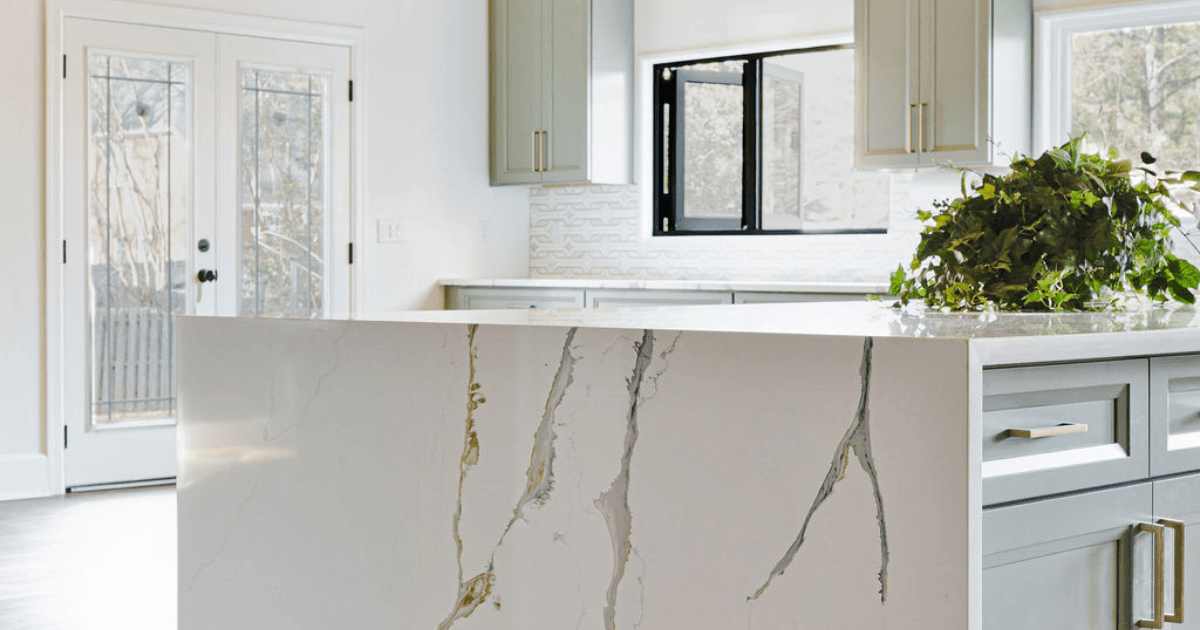
Quartz is engineered stone — crushed natural quartz bound with resin — making it non-porous, low-maintenance, and consistent in color and pattern. Granite is 100% natural stone cut from quarried slabs, giving it one-of-a-kind veining and superior heat resistance, but it requires periodic sealing. Quartz typically costs $50–$120 per square foot installed; granite typically runs $40–$100 per square foot installed, though exotic granite slabs can exceed quartz pricing. Neither is objectively "better" — they trade off differently depending on your priorities.
Quartz vs. Granite: What Each Material Actually Is
Understanding the manufacturing difference explains most of the practical differences between the two:
Granite is quarried directly from the earth, cut into slabs, and polished. Every slab is genuinely one-of-a-kind, with mineral veining and color variation no two pieces share.
Quartz is manufactured from roughly 90–93% crushed natural quartz, bound with polyester or epoxy resin and pigmented for color. This process is what makes quartz non-porous and available in far more consistent, and sometimes more unusual, colors than natural stone allows.
Quartz vs. Granite: Why the Manufacturing Difference Matters
Every practical difference below — heat tolerance, sealing needs, pattern consistency — traces back to this one distinction: granite is what nature made, quartz is what a factory engineered to solve nature's inconsistencies.
Quartz vs. Granite: Cost Comparison
Quartz | Granite | |
|---|---|---|
Typical installed cost | $50–$120/sq ft | $40–$100/sq ft |
Premium/exotic tier | Up to $150–$200/sq ft (branded lines like Cambria) | Up to $150–$225/sq ft (rare or imported slabs) |
Sealing cost over 10 years | $0 | Roughly $100–$400 |
Pricing predictability | More consistent, brand-driven | Varies more by rarity and quarry source |
Granite often starts cheaper for a standard slab, but the total cost of ownership narrows once you factor in a decade of periodic sealing — a real, if modest, ongoing cost that quartz simply doesn't have.
Quartz vs. Granite: Getting an Accurate Price for Your Kitchen
Slab selection, edge profile, and kitchen layout all move these numbers more than the base material choice does — two quartz kitchens can price differently by thousands of dollars depending on the specific slab chosen.

Quartz vs. Granite: Durability and Heat Resistance
This is where the two materials genuinely diverge rather than just trading off on price:
Heat resistance: Granite wins clearly here — it can handle direct heat up to roughly 1,200°F, while quartz's resin content makes it vulnerable to scorching or discoloration from hot pans, generally starting around 150–212°F.
Stain and scratch resistance: Quartz wins here — its non-porous surface resists staining, scratching, and bacteria growth better than granite, which is porous until sealed.
Chipping: Both can chip under a hard, direct impact at an edge, though this is uncommon in either material with proper installation.
Quartz vs. Granite: Which Wins for a High-Traffic Family Kitchen?
For a household with kids, frequent cooking, and less-than-careful counter habits, quartz's stain and scratch resistance generally makes it the more forgiving day-to-day choice, even though granite's heat tolerance is the stronger spec on paper.
Quartz vs. Granite: Maintenance Requirements
Granite needs to be sealed periodically — typically every 1 to 3 years, depending on the specific stone's porosity — to prevent staining and bacteria buildup. Skipping this maintenance is one of the most common granite countertop regrets homeowners report.
Quartz requires no sealing at all. Day-to-day care is simply soap, water, and avoiding harsh chemical cleaners that can dull the resin's finish over time.
Quartz vs. Granite in Alabama's Climate
This is the piece of the quartz vs. granite decision that's easy to miss in generic buying guides. Alabama's humidity makes porous surfaces more prone to moisture-related staining and bacterial growth if sealing is neglected — which tips the practical maintenance argument further in quartz's favor for busy households that might let a sealing cycle slip.
That said, granite has a real advantage for outdoor kitchens and covered patios, which are increasingly popular in this market — quartz's resin content can yellow or degrade under prolonged direct UV exposure, while granite holds up to sun and heat without that risk. If you're building an outdoor kitchen alongside an indoor remodel, it's worth choosing differently for each space rather than defaulting to the same material throughout.
Quartz vs. Granite: Which Adds More Resale Value?
Both materials are considered premium upgrades that buyers expect in a well-appointed kitchen, and neither will hurt your resale value. Design trend data shows quartz has been gaining ground with buyers who prioritize a clean, consistent, low-maintenance look, while granite retains strong appeal in more traditional-style homes where natural stone's one-of-a-kind character fits the aesthetic. Neither choice is a resale mistake — the more important factor is that the finish matches the overall style of the home.
How to Decide: Quartz vs. Granite Checklist
Choose quartz if:
You want zero ongoing sealing maintenance
You cook in a way that risks frequent spills or stains (red wine, tomato sauce, turmeric)
You prefer a clean, consistent, modern look
The countertop is indoors, away from direct sun exposure
Choose granite if:
You regularly place hot pots or pans directly on the counter
You want a genuinely one-of-a-kind natural stone pattern
You're installing an outdoor kitchen or sun-exposed surface
You're comfortable with periodic sealing as routine maintenance
Quartz vs. Granite FAQ
Is quartz or granite better for a kitchen? Both are excellent choices for a kitchen. Quartz is generally the better fit for busy households that want zero sealing maintenance and stain resistance; granite is the better fit for cooks who frequently use direct heat on the counter or want a truly unique natural stone look.
Is quartz more expensive than granite? Typically yes for standard slabs — quartz runs $50–$120 per square foot installed versus granite's $40–$100 — though exotic or rare granite slabs can cost more than standard quartz.
Does granite need to be sealed every year? Most granite needs sealing every 1 to 3 years depending on the specific stone's porosity, not necessarily annually. A fabricator can test your specific slab's porosity to recommend a schedule.
Is quartz or granite better for Alabama's humidity? Quartz's non-porous surface makes it more forgiving in humid climates, since it doesn't require sealing to resist moisture and bacteria. Granite still performs well with proper, consistent sealing, but is more dependent on that maintenance being kept up.
Can I use granite or quartz for an outdoor kitchen? Granite is the better choice for outdoor or sun-exposed installations, since quartz's resin content can yellow or degrade under prolonged UV exposure.
Ready to Compare Quartz vs. Granite for Your Kitchen?
The right material depends on your kitchen's layout, sun exposure, and how you actually cook — not just which slab looks best in a showroom. Try our free Instant Estimate tool to see real numbers for both options, or get in touch to see slab samples in person.
-
Sources: national countertop cost and materials data (HomeGuide, CostWhale, SlabWise, and industry fabricator guides), 2026 pricing.
Internal linking suggestions: link to /kitchen-remodel-cost-montgomery-al from the cost comparison table, /get-instant-estimate from the closing CTA, and the "Cabinet Refacing vs. Replacement" post as related reading.