Table of Contents
Quartz vs. Granite: Choosing the right countertop material is one of the most important decisions in a kitchen or bathroom remodel. Quartz and granite are two of the most popular options, each offering unique benefits and drawbacks. Homeowners in Auburn, AL, often debate which one is the better choice for their needs, budget, and style preferences. This comprehensive guide will help you understand the key differences between quartz and granite countertops so you can make the best decision for your home.
What Are Quartz and Granite Countertops?
Granite Countertops
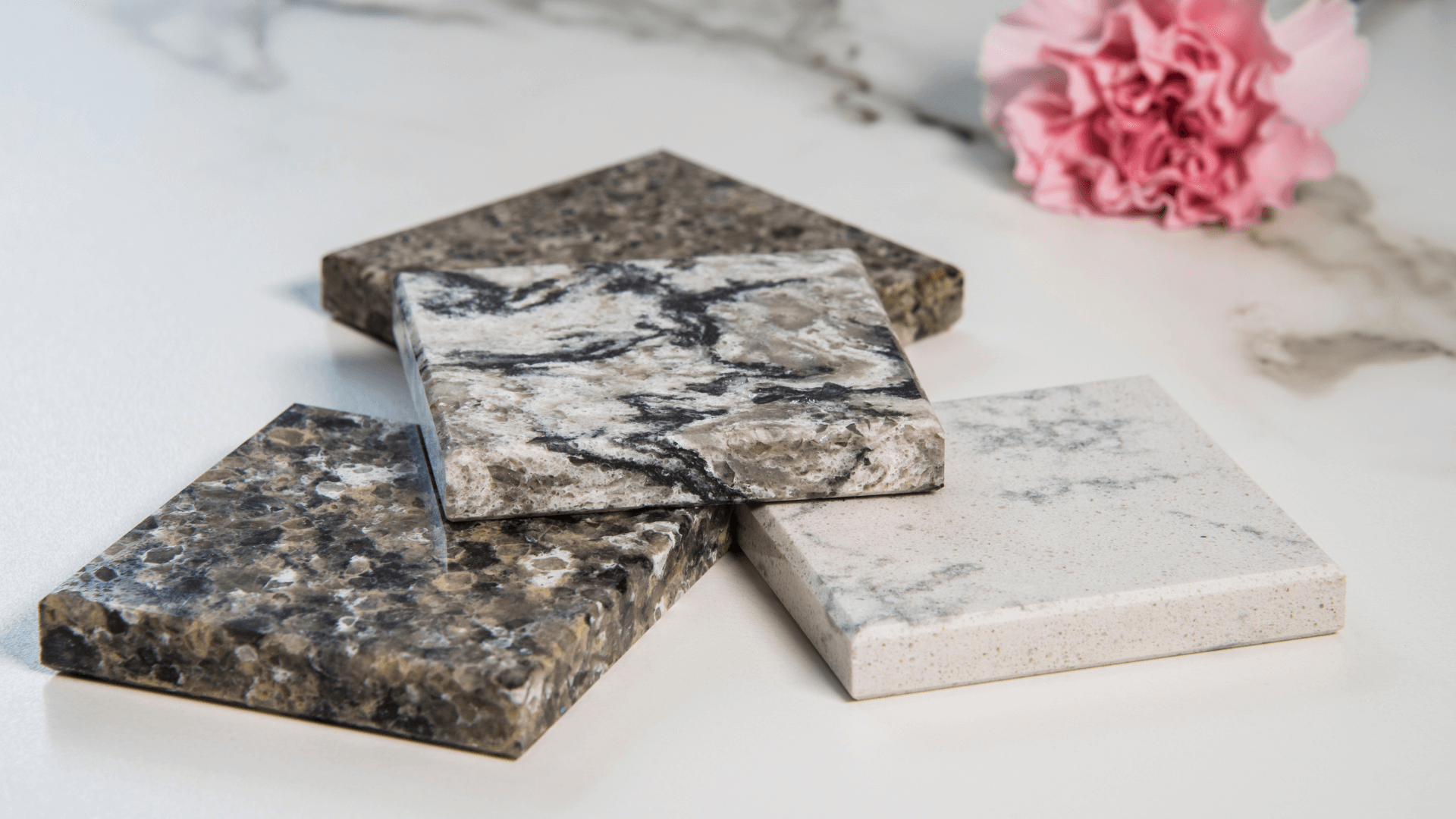
Granite is a natural stone that is quarried from the earth, cut into slabs, and polished for use as countertops. Each slab of granite is unique, featuring natural veining, specks, and color variations. It is highly durable and adds an elegant, high-end look to any kitchen or bathroom.
Quartz Countertops
Quartz countertops are engineered stone surfaces made from crushed natural quartz mixed with resin and pigments. Unlike granite, quartz is not a completely natural material, but its engineered nature allows for greater consistency in color and pattern. Quartz countertops are known for their durability, low maintenance, and modern appearance.
Comparing Quartz and Granite: Key Factors to Consider
1. Appearance and Aesthetic Appeal
Granite: Since granite is a natural stone, no two slabs are identical. If you love natural beauty and unique patterns, granite is an excellent choice. It often has speckles, veins, and swirls that add character to your space.
Quartz: Because quartz is engineered, it offers a more uniform look. This is ideal for homeowners who prefer consistency in color and pattern. Modern quartz designs can even mimic the look of natural stone.
2. Durability and Strength
Granite: Granite is incredibly durable but can be prone to chipping or cracking if heavy objects are dropped on it. Since it is porous, it requires sealing to prevent stains and bacteria buildup.
Quartz: Quartz is one of the hardest minerals on earth, making it an extremely durable countertop material. Unlike granite, it is non-porous, meaning it does not require sealing and is highly resistant to scratches and stains.
3. Maintenance and Cleaning
Granite: Requires periodic sealing to prevent stains and bacteria absorption. Daily cleaning with a mild detergent and water is recommended.
Quartz: Virtually maintenance-free. No sealing is required, and it can be cleaned with soap and water.
4. Stain and Heat Resistance
Granite: Resistant to heat, making it ideal for kitchen use. However, because it is porous, it can stain if not sealed properly.
Quartz: Non-porous and highly stain-resistant, but it is not as heat-resistant as granite. Placing hot pots or pans directly on quartz surfaces can cause damage.
5. Cost Comparison
Granite: The price of granite varies depending on the quality, color, and rarity of the stone. It typically costs between $50 to $150 per square foot, including installation.
Quartz: Generally ranges from $60 to $140 per square foot, making it comparable in price to granite. However, high-end quartz can sometimes be more expensive than granite.
6. Environmental Impact
Granite: Since it is a natural stone, quarrying and transportation require significant energy. However, choosing locally sourced granite can reduce the environmental footprint.
Quartz: Considered more eco-friendly because it is made from recycled materials. However, the resin used in quartz countertops contains synthetic chemicals, which some homeowners prefer to avoid.
7. Resale Value
Both quartz and granite countertops can increase a home’s value. Many homebuyers prefer natural stone like granite for its timeless appeal, while others appreciate the modern look and low maintenance of quartz.
Which One Should You Choose?
The best countertop material depends on your personal preferences, lifestyle, and budget. Here’s a quick guide to help you decide:
Choose granite if:
You prefer natural beauty with unique patterns.
You don’t mind periodic sealing and maintenance.
You need a highly heat-resistant surface.
Choose quartz if:
You want a low-maintenance, non-porous surface.
You prefer a consistent and modern look.
You want a highly stain-resistant countertop.
Final Thoughts
Both quartz and granite countertops offer excellent benefits, making them worthwhile investments for your Auburn, AL home. Consider your priorities—whether it’s aesthetics, durability, maintenance, or cost—before making your decision. If you need expert advice or professional installation, contact our team today to explore your countertop options and find the perfect fit for your home!
Frequently Asked Questions (FAQs)
1. Is quartz more expensive than granite?
It depends on the specific type and brand, but quartz and granite have similar price ranges. Some high-end quartz options can be more expensive than certain granite slabs.
2. Does granite need to be sealed often?
Yes, granite should be sealed annually to prevent stains and bacteria buildup.
3. Can quartz be damaged by heat?
Yes, placing hot pots or pans directly on quartz can cause discoloration or damage. Always use trivets or heat pads.
4. Is quartz or granite better for resale value?
Both materials add value to a home, but some buyers prefer the natural beauty of granite, while others like the low-maintenance aspect of quartz.
5. How long do granite and quartz countertops last?
Both materials can last a lifetime with proper care, but quartz requires less maintenance.
6. Are quartz countertops completely natural?
No, quartz countertops are engineered using crushed quartz, resins, and pigments.
7. Can I cut directly on quartz or granite?
While both materials are scratch-resistant, it’s best to use a cutting board to avoid damage.
8. Do quartz and granite come in a variety of colors?
Yes, quartz offers a more uniform range of colors, while granite features unique, natural variations.
9. Which countertop is best for a busy kitchen?
Quartz is better for a high-traffic kitchen due to its stain and scratch resistance.
10. Can I install my own quartz or granite countertops?
It’s not recommended, as these materials are heavy and require professional installation to ensure proper support and finishing.
11. Which material is more environmentally friendly?
Quartz is often considered more eco-friendly because it can be made from recycled materials, while granite requires quarrying and transportation.
12. Does quartz or granite require special cleaning products?
No, both can be cleaned with mild soap and water, but granite should avoid acidic cleaners to prevent damage to the sealant.
Need help deciding between quartz and granite countertops? Contact us today to discuss your remodeling project in Auburn, AL!